Why I Started Watching My Bone Health (And You Should Too)
You don’t think about your bones until something goes wrong—like a slow recovery or unexpected ache. I ignored mine for years, assuming they’d just hold up forever. But after noticing subtle changes in my energy and mobility, I started tracking my bone health. It turned out, simple daily choices were either helping or hurting me. This is what I learned when I finally paid attention—and why monitoring your bones early is more important than you think.
The Wake-Up Call: When I Realized My Bones Weren’t as Strong as I Thought
It started with a small fall—nothing dramatic, just a misstep on a sidewalk. I didn’t break anything, but the soreness lingered for weeks. My lower back ached when I stood up from a chair, and climbing stairs began to feel heavier than before. At first, I blamed it on aging or lack of sleep. But deep down, I knew it wasn’t just fatigue. My body was sending signals, and I had been ignoring them for too long.
Bone health is one of those things most people don’t consider until a doctor’s diagnosis changes everything. For years, I assumed strong bones were something you either had or didn’t—something determined by genetics and dairy intake. I didn’t realize that bones are dynamic, living tissues that respond to how we move, eat, and live. The truth is, bone loss happens silently, without symptoms, often beginning as early as our 30s. By the time pain or fractures appear, significant weakening may already have occurred.
What shocked me most was learning that many adults reach midlife without ever having a conversation about bone density. There’s no routine screening like there is for blood pressure or cholesterol. Yet, weak bones increase the risk of fractures, loss of independence, and long-term disability. That minor fall could have been far worse. It wasn’t a crisis, but it was a warning—one I chose not to ignore any longer.
What Bone Health Really Means (And Why It’s Not Just About Calcium)
When most people think of bone health, they immediately picture a glass of milk or a calcium supplement. While calcium is essential, it’s only one piece of a much larger puzzle. Bones are made of collagen and mineralized with calcium phosphate, but their strength depends on a continuous cycle of breakdown and renewal—a process called remodeling. This means bones aren’t static structures; they’re alive, constantly adapting to the demands we place on them.
Think of your skeleton like a retirement fund. In your younger years, your body deposits more bone than it withdraws, building peak bone mass by around age 30. After that, the balance shifts. Without the right inputs—nutrition, movement, hormonal balance—your body begins to withdraw more than it deposits. Over time, this leads to thinner, more fragile bones. That’s why early investment matters. The habits you form now determine how much resilience you’ll have decades later.
Nutrition plays a central role, but it’s not just about calcium. Vitamin D is crucial because it helps your body absorb calcium from food. Without enough sunlight exposure or dietary sources, even high calcium intake won’t make a difference. Protein is another key player—bones need it for their collagen framework. Magnesium, vitamin K, and phosphorus also contribute to bone integrity. And hormones, especially estrogen in women and testosterone in men, regulate bone turnover. When levels decline during menopause or with age, bone loss can accelerate.
Physical activity is equally important. Bones respond to stress—specifically, weight-bearing and resistance exercises. When you walk, climb, lift, or even stand, your bones sense the load and adapt by becoming denser. Without that stimulus, they weaken. So while calcium supports structure, movement builds strength. Together, they form the foundation of lifelong bone resilience.
How I Began Monitoring My Bone Health—No Lab Needed
I didn’t wait for a diagnosis to start paying attention. Instead, I began observing everyday signs that might indicate changes in my skeletal system. I started noticing my posture—was I slouching more? Did I feel unsteady when standing on one foot? Did I catch myself holding onto counters while moving around the kitchen? These small behaviors, I learned, could be early clues.
One of the first things I tracked was recovery. After a long walk or light workout, how long did it take for any stiffness to fade? If discomfort lasted more than a day or two, I took note. I also paid attention to joint comfort—whether my knees creaked when I stood or my wrists ached after gardening. While these aren’t direct measures of bone density, they can reflect underlying musculoskeletal changes that often accompany bone loss.
Another subtle sign I began to monitor was height. I marked a spot on the wall and measured myself every few months. A loss of even an inch can indicate spinal compression, often linked to vertebral fractures caused by weakened bones. I also noticed that frequent muscle cramps, especially at night, sometimes preceded periods of joint stiffness. While cramps have many causes, low magnesium or calcium levels can contribute—and both minerals are vital for bone health.
To keep track, I started a simple journal. I didn’t need fancy tools—just a notebook where I logged daily movement, energy levels, and any aches or changes in mobility. Over time, patterns emerged. Days with more standing and walking correlated with better comfort the next morning. Periods of poor sleep or stress often coincided with increased stiffness. These observations didn’t replace medical advice, but they gave me a baseline to discuss with my doctor. And they helped me recognize that my body wasn’t just ‘getting older’—it was responding to my habits.
The Daily Habits That Made a Noticeable Difference
Once I started paying attention, I realized I didn’t need drastic changes—just consistent, intentional choices. The first shift was increasing daily movement. I began with short walks after meals, aiming for 10 to 15 minutes at first. Over time, I built up to 30 minutes most days. Walking is a weight-bearing activity, meaning it gently stresses the bones in a beneficial way. It’s low impact but effective, especially when done regularly.
I also added simple strength exercises. Each morning, I did a few minutes of bodyweight movements—standing up from a chair without using my hands, wall push-ups, or lifting light household items like water bottles. These small efforts helped maintain muscle strength, which in turn supports bone health. Strong muscles improve balance and reduce fall risk, while also stimulating bone growth through mechanical loading.
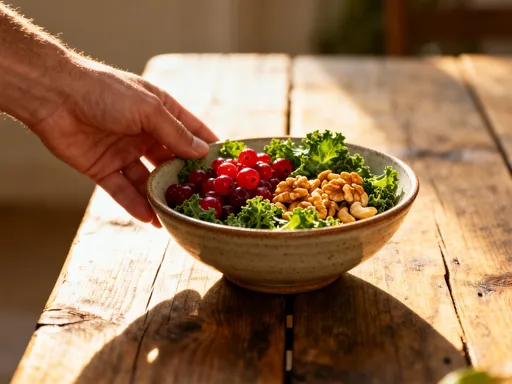
Nutrition became more intentional too. I focused on whole foods rich in bone-supporting nutrients. I included leafy greens like kale and spinach for vitamin K and magnesium, fatty fish like salmon for vitamin D and omega-3s, and nuts and seeds for protein and healthy fats. I made sure to pair calcium-rich foods—like yogurt, broccoli, and fortified plant milks—with sources of vitamin D, either through food or brief sun exposure, to enhance absorption.
Hydration also played a role. I noticed that when I drank enough water, my joints felt smoother and my energy was steadier. Dehydration can affect cartilage and reduce cushioning in joints, which may increase strain on bones. I aimed for consistent fluid intake throughout the day, primarily water and herbal teas. I also reduced sugary drinks and limited caffeine, as high intake may interfere with calcium balance over time.
Within a few weeks, I felt a shift. My morning stiffness decreased. I stood taller without thinking about it. Stairs didn’t feel like a challenge. These weren’t dramatic transformations, but they were real. The most important lesson was that consistency mattered more than intensity. Small, daily actions added up to meaningful change.
When to See a Doctor—and What to Ask
While self-monitoring is valuable, it’s not a substitute for professional evaluation. I eventually scheduled a check-up to discuss my concerns. My doctor listened carefully and asked about my family history, lifestyle, and any medications I was taking. Some drugs, like long-term corticosteroids or certain anticonvulsants, can negatively affect bone density. Knowing this helped me understand potential risk factors beyond diet and exercise.
For women over 65 and men over 70, or for those with additional risk factors, a bone density test called a DEXA scan is often recommended. This painless, non-invasive scan measures mineral content in the hip and spine and can detect osteoporosis before a fracture occurs. In my case, my doctor suggested I consider one in a few years, given my age and family history of fractures. But even without a scan, the conversation was empowering. It shifted bone health from something abstract to something measurable and manageable.
If you’re concerned about your bones, here are key questions to bring to your next appointment: Has my bone health been assessed? Do any of my medications affect bone density? Should I consider a DEXA scan based on my age or risk factors? What are the signs of bone loss I should watch for? And how can I reduce my risk of falls?
Doctors can also evaluate other contributors to bone health, such as hormone levels, digestive issues that affect nutrient absorption, or conditions like rheumatoid arthritis. Early detection allows for earlier intervention, which can include lifestyle adjustments, physical therapy, or, when necessary, medical treatment. The goal isn’t to fear fractures, but to build resilience before they happen.
Myths That Hold People Back from Caring for Their Bones
One of the biggest barriers to bone health is misinformation. Many people believe osteoporosis is only a woman’s issue, but men are also at risk—especially as they age. In fact, one in five men over 50 will experience an osteoporosis-related fracture. Assuming it won’t happen to you can delay prevention until it’s too late.
Another common myth is that drinking milk or taking calcium pills is enough. While dairy can be a good source of calcium, excessive intake without supporting nutrients may not improve bone strength and, in some cases, could even contribute to cardiovascular concerns. The body needs a balance—calcium works best when paired with vitamin D, magnesium, and protein. Relying solely on supplements without addressing diet and movement misses the bigger picture.
Some believe it’s too late to make a difference after 50. But research shows that even older adults can improve bone density and reduce fracture risk through proper nutrition and exercise. The skeleton remains responsive to mechanical stress and nutritional support throughout life. It’s never too late to start building better habits.
There’s also a misconception that thinness or low body weight isn’t a risk factor. In reality, having a low body mass index (BMI) can mean less mechanical loading on bones and lower estrogen levels, both of which contribute to bone loss. Being underweight may be just as concerning as being overweight when it comes to skeletal health.
By recognizing these myths, we can move beyond fear and confusion. Bone health isn’t about perfection—it’s about awareness and action. The goal isn’t to eliminate all risk, but to make informed choices that support long-term strength and mobility.
Building a Lifestyle That Supports Stronger Bones—For Life
Today, bone health isn’t something I think about only when I feel stiff or sore. It’s woven into my daily life—a quiet commitment to how I move, eat, and care for my body. I stand more during the day, take the stairs when I can, and keep a mix of nuts and seeds in my pantry for easy snacking. These choices aren’t about fixing a problem; they’re about honoring a promise to myself—to stay strong, independent, and active for as long as possible.
Bone health is deeply connected to overall well-being. It affects posture, balance, energy, and confidence. Strong bones mean fewer limitations, more freedom, and greater resilience in daily life. They allow you to carry groceries, play with grandchildren, garden, travel, and enjoy physical activities without fear of injury. It’s not just about avoiding fractures—it’s about preserving quality of life.
The most powerful changes are often the smallest. Standing up every hour, adding a handful of spinach to your omelet, doing a few gentle squats while brushing your teeth—these actions may seem minor, but they send signals to your bones that they are needed, used, and valued. Over time, those signals add up to stronger, more durable support for your entire body.
What you do today shapes how your body will hold up tomorrow. You don’t need to overhaul your life to protect your bones. You just need to start paying attention. Notice your posture. Move your body. Eat with intention. Talk to your doctor. These steps don’t guarantee immunity from aging, but they do offer something more valuable: agency. You have the power to influence your skeletal health at any age. And that power begins with awareness, one small choice at a time.