This Is What 5 Years of Consistent Movement Taught Me About Staying Young
What if aging wasn’t something to fear, but something to prepare for—smartly? I’ve spent over five years testing how small, daily exercise habits impact long-term vitality. It’s not about intense workouts or quick fixes. It’s about consistency, listening to your body, and moving in ways that actually support longevity. What I discovered changed how I see aging—and my body—forever. Aging is a natural process, but how we experience it is shaped by choices made long before the mirror reflects the years. The truth is, movement isn’t just a tool for weight management or appearance; it’s a foundational pillar of biological resilience. Over time, I learned that the most powerful anti-aging strategy isn’t found in a bottle or a clinic—it’s built into the rhythm of everyday motion.
The Wake-Up Call: Realizing Aging Wasn’t Just About Wrinkles
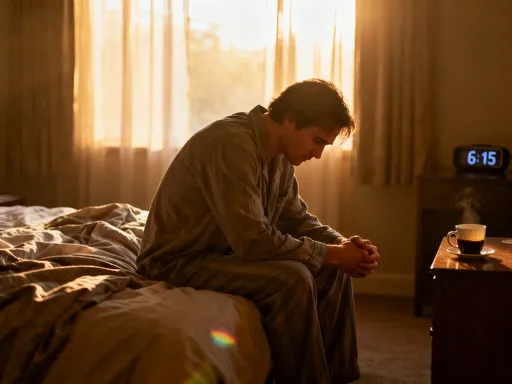
For years, I associated aging with visible changes—fine lines around the eyes, graying hair, the slow fading of skin’s elasticity. But the real shift came not from the mirror, but from how I felt in my body. Around my mid-40s, I began noticing subtle yet persistent signs: a stiffness in my lower back after sitting too long, a breathlessness climbing two flights of stairs, a fatigue that lingered long after a busy day. These weren’t dramatic symptoms, but they were new. They signaled a quiet decline in function that I had ignored for too long.
What I didn’t realize then was that biological aging begins much earlier than most people assume. Starting in our 30s, the body gradually loses muscle mass, bone density, and cardiovascular efficiency. Mitochondria—the energy powerhouses within our cells—become less efficient. Recovery from physical stress slows. These changes are accelerated by sedentary lifestyles, poor sleep, and chronic stress, all common in modern life. I had accepted these shifts as inevitable, but research shows they are largely modifiable. Physical inactivity is one of the strongest predictors of accelerated aging, increasing the risk of chronic diseases like type 2 diabetes, heart disease, and osteoporosis.
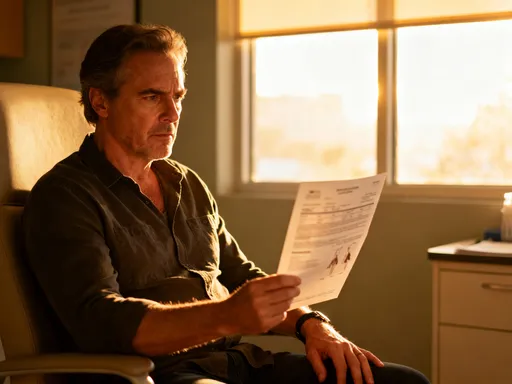
It was a conversation with my doctor that changed my perspective. After routine blood work and a mobility assessment, she pointed out that my energy levels and joint stiffness weren’t just “part of getting older”—they were signs of declining physical resilience. She emphasized that movement is not merely a lifestyle choice; it’s a form of preventive medicine. The human body was designed to move, and without regular stimulation, systems begin to atrophy. This wasn’t about vanity—it was about maintaining independence, strength, and the ability to enjoy life fully as the years pass.
That moment became my wake-up call. I realized I had been treating exercise as something optional, something to return to “when I had time.” But the science is clear: consistent physical activity is one of the most effective tools we have to slow biological aging. It influences gene expression, reduces systemic inflammation, and supports cellular repair mechanisms. I decided to stop waiting for a crisis and start building a foundation for long-term vitality—one small movement at a time.
Why Long-Term Exercise Beats Short-Term Gains
Like many, I had cycled through fitness trends—high-intensity boot camps, 30-day challenges, strict diet and workout plans promising rapid transformation. While these programs delivered short-term results, they rarely lasted. The problem wasn’t the workouts themselves, but their design: they were built for intensity, not sustainability. They demanded high motivation, perfect consistency, and often left the body drained rather than strengthened. After a few weeks, burnout set in, and I’d return to inactivity, feeling defeated.
What I learned over time is that long-term health isn’t built in extremes. The real benefits of exercise come not from short bursts of effort, but from regular, moderate movement sustained over years. Research consistently shows that individuals who engage in consistent, moderate physical activity experience greater longevity, better metabolic health, and improved quality of life compared to those who pursue intense but inconsistent regimens. The key isn’t how hard you push, but how steadily you continue.
One of the most compelling reasons long-term movement wins is its effect on the body’s internal systems. For example, regular exercise improves mitochondrial function—the ability of cells to produce energy efficiently. As we age, mitochondria become less effective, contributing to fatigue and muscle weakness. But studies show that consistent aerobic and strength training can stimulate mitochondrial biogenesis, essentially renewing the body’s energy supply. Similarly, chronic low-grade inflammation, a hallmark of aging and many age-related diseases, is reduced through regular physical activity. Exercise acts as a natural anti-inflammatory, helping to regulate immune function and protect tissues.
Another critical factor is telomere maintenance. Telomeres are the protective caps at the ends of our chromosomes, and they shorten with each cell division. Shorter telomeres are associated with aging and disease. However, research has found that individuals who maintain active lifestyles tend to have longer telomeres than their sedentary peers, suggesting that exercise may slow cellular aging. This isn’t about achieving peak performance—it’s about preserving biological function at the most fundamental level.
The takeaway is clear: longevity isn’t about pushing to the limit. It’s about showing up, day after day, with movement that supports the body rather than depletes it. The most powerful fitness plan isn’t the one that makes you sore for days—it’s the one you can stick with for years.
My Foundation: The 4 Types of Movement That Actually Matter
Once I committed to long-term movement, I needed a sustainable framework. I researched, experimented, and consulted with physical therapists and fitness professionals to identify the types of exercise that deliver the greatest return on investment for aging well. I settled on four essential categories: strength training, cardiovascular endurance, flexibility, and balance. Each plays a unique and non-negotiable role in maintaining physical function, and together, they form a complete system for lifelong vitality.
Strength training builds and preserves muscle mass, which naturally declines with age—a process called sarcopenia. Without intervention, adults lose 3–5% of their muscle mass per decade after 30. This loss affects metabolism, joint stability, and the ability to perform daily tasks. By lifting weights or using resistance, I’ve been able to slow this decline and maintain strength that supports independence.
Cardiovascular endurance strengthens the heart and lungs, improving circulation and stamina. It’s not about running marathons; it’s about building aerobic capacity so that everyday activities—walking, gardening, playing with grandchildren—feel effortless. I focus on low- to moderate-intensity cardio that I can sustain daily without exhaustion.
Flexibility ensures that joints move through their full range of motion. Tight muscles and stiff connective tissues restrict movement and increase injury risk. A simple daily stretching routine has made a noticeable difference in how I feel—less stiffness, more ease in daily motions like bending, reaching, and turning.
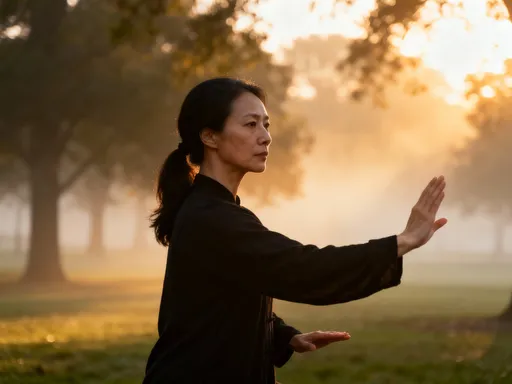
Balance is often overlooked, yet it’s critical for fall prevention, especially as we age. Poor balance increases the risk of fractures and loss of independence. Incorporating balance exercises—like standing on one leg or heel-to-toe walking—has improved my stability and confidence in movement. These four types of movement are not optional extras; they are essential components of a body that ages well. I rotate through them throughout the week, ensuring each is addressed regularly and consistently.
Strength: The Anti-Aging Secret Nobody Talks About Enough
If there’s one form of exercise that has transformed my physical resilience, it’s strength training. For years, I associated weightlifting with bodybuilders or athletes, not with healthy aging. I thought cardio was enough. But as I approached my 50s, I noticed a troubling trend: I was getting weaker. Carrying groceries felt harder. Standing up from a chair required more effort. I realized I was losing muscle—not just in size, but in function.
Scientific evidence confirms that muscle loss begins as early as age 30 and accelerates after 50. This isn’t just about appearance. Muscle is metabolically active tissue—it helps regulate blood sugar, supports joint health, and maintains bone density. Strong muscles protect against injuries, improve posture, and make daily tasks easier. Without strength, even simple movements become challenging, increasing dependence on others.
I started with a simple, no-gym routine at home. Two to three times a week, I perform bodyweight exercises like squats, lunges, push-ups (modified as needed), and planks. I use resistance bands for added challenge and a pair of adjustable dumbbells for upper body work. The key has been consistency and progressive overload—gradually increasing resistance or repetitions over time to keep muscles adapting. I focus on proper form to prevent injury, not on lifting heavy weights.
The benefits have been profound. My metabolism feels more stable—I’m less prone to energy crashes. My joints feel supported, especially my knees and lower back. I can carry luggage, lift grandchildren, and garden for hours without strain. Strength training has given me a sense of physical confidence I didn’t expect. It’s not about looking muscular; it’s about being capable. And the best part? It’s never too late to start. Studies show that even individuals in their 70s and 80s can gain significant strength with regular resistance training. This is one of the most empowering tools we have for aging with dignity and independence.
Cardio That Doesn’t Burn You Out: The Role of Zone 2
In my earlier fitness attempts, I believed that if a workout wasn’t intense, it wasn’t working. I chased high heart rates, drenched in sweat, thinking I was maximizing results. But over time, I noticed a pattern: after a few days of intense cardio, I felt drained, irritable, and less motivated. My recovery was slow, and my energy levels suffered. I was burning myself out, not building endurance.
Then I discovered Zone 2 cardio—a form of low-intensity, steady-state exercise performed at about 60–70% of maximum heart rate. This is the effort level where you can comfortably hold a conversation, your breathing is elevated but not labored, and you can sustain the activity for 30 minutes or more. It’s the opposite of high-intensity interval training, but its long-term benefits are profound.
Zone 2 cardio builds aerobic capacity by improving the heart’s efficiency and the body’s ability to use oxygen. It trains the mitochondria in muscle cells to produce energy more effectively, enhancing fat metabolism and reducing reliance on glycogen. This type of training improves insulin sensitivity, supports heart health, and reduces inflammation—all critical factors in aging well. Unlike intense workouts, Zone 2 doesn’t spike stress hormones, making it sustainable over time.
I now prioritize Zone 2 cardio most days of the week. My primary form is brisk walking—often 45 to 60 minutes in the morning or during lunch breaks. I also use a stationary bike or elliptical when weather doesn’t permit outdoor activity. To monitor intensity without a heart rate monitor, I use the “talk test”: if I can speak in full sentences without gasping, I’m in Zone 2. I’ve integrated walking into daily life—walking meetings, parking farther from store entrances, taking the stairs. These small choices add up, and the cumulative effect on my stamina and recovery has been remarkable. I no longer dread exercise; I look forward to it. Zone 2 cardio has taught me that progress isn’t always loud—it’s often quiet, steady, and deeply restorative.
Flexibility & Balance: The Unsung Heroes of Staying Youthful
For years, I skipped stretching. I viewed it as optional, something to do if I had extra time. Then, one morning, I bent down to tie my shoe and felt a sharp tightness in my hamstrings. I couldn’t reach my feet without straining. That moment was a wake-up call. I realized that flexibility isn’t just about touching your toes—it’s about maintaining the range of motion needed for everyday life. Without it, simple movements become difficult, and the risk of injury increases.
Flexibility declines with age due to changes in connective tissue and reduced physical activity. Muscles shorten, tendons stiffen, and joints lose mobility. This can lead to poor posture, back pain, and a higher likelihood of falls. I now dedicate 10 minutes each day to stretching—focusing on major muscle groups like hamstrings, hips, shoulders, and lower back. I use dynamic stretches in the morning to warm up and static stretches in the evening to release tension. Incorporating yoga-inspired movements, such as cat-cow and child’s pose, has improved my spinal mobility and reduced stiffness.
Balance is equally important, yet often neglected. Poor balance is a leading cause of falls in older adults, which can result in serious injuries like hip fractures. I started with simple balance drills: standing on one leg while brushing my teeth, walking heel-to-toe along a straight line, or using a balance pad during TV commercials. These exercises challenge the neuromuscular system, improving coordination and stability. Over time, I’ve noticed greater confidence in my movements—walking on uneven surfaces, stepping off curbs, or navigating crowded spaces feels safer.
Together, flexibility and balance have become the foundation of my daily routine. They don’t require special equipment or long time commitments, but their impact is undeniable. I move with greater ease, experience less discomfort, and feel more connected to my body. These practices may not be flashy, but they are essential for maintaining independence and quality of life as I age.
Building a Life, Not a Workout Plan: Making Movement Automatic
The greatest challenge wasn’t starting—it was staying consistent. Motivation fades. Schedules change. Life happens. I’ve learned that willpower alone isn’t enough to sustain long-term movement. What works is designing a lifestyle where exercise isn’t an add-on, but an integrated part of daily rhythm.
I use habit stacking—linking new behaviors to existing routines. For example, I do bodyweight squats while my coffee brews, stretch after brushing my teeth, or take a walk immediately after lunch. I schedule workouts like appointments, blocking time in my calendar. I keep resistance bands and dumbbells in the living room so they’re visible and accessible. I’ve replaced sedentary habits with active ones: instead of scrolling on the couch, I walk while listening to podcasts. These small changes remove friction and make movement the default choice.
When motivation dips, I focus on showing up, not on performance. Some days, my workout is just five minutes of stretching. But I’ve learned that consistency matters more than perfection. Missing a day doesn’t mean failure—it means resetting the next day. I track progress not by numbers on a scale, but by how I feel: Do I have more energy? Can I move without pain? Am I sleeping better?
Over five years, this approach has transformed my relationship with exercise. It’s no longer a chore or a punishment—it’s a form of self-care, a daily promise to my future self. The goal isn’t to look younger, but to live fully, with strength, mobility, and resilience. Movement has become a non-negotiable part of who I am.
Aging Is Inevitable—But How You Age Isn’t
After years of trial, error, and small, consistent wins, I’ve come to see aging not as a decline, but as an opportunity—to build resilience, to move with intention, to care for the body that carries me through life. The lessons I’ve learned aren’t about reversing time or chasing youth. They’re about making choices today that support vitality tomorrow.
Consistent movement has proven to be the most powerful tool I’ve found for aging well. It’s not about extreme diets, expensive supplements, or dramatic transformations. It’s about the daily decision to move—to strengthen, to stretch, to walk, to balance. These small acts accumulate into profound changes: more energy, less pain, greater independence.
The beauty of this approach is that it’s accessible to anyone, at any age. You don’t need a gym membership, a personal trainer, or perfect health to begin. You need only the willingness to start—and the understanding that every step counts. Aging is inevitable, but frailty is not. Decline is not a given. How you age is shaped by the habits you build, the choices you make, and the care you give your body every day.
This isn’t a quick fix. It’s a lifelong commitment—one that rewards patience, consistency, and self-compassion. And the most encouraging truth? It’s never too late to begin. Whether you’re 35, 55, or 75, the next step you take could be the one that changes how you experience the years ahead. Movement isn’t just about staying young. It’s about living fully—now, and for all the years to come.